

People are complicated. And work becomes even more interesting when we have to talk about it.
At a recent AMA Lincoln roundtable, Kris Peterson of Leadership Harbor LLC led a candid, energetic session on something most of us quietly dread: difficult conversations. Drawing on insights from leadership voices Ryan Leak and John Maxwell, Kris made a compelling case that the complication we feel leading up to these tricky conversations is mostly self-generated (and fixable).
Your Default Response May Be Holding You Back
Kris opened the roundtable by asking a simple question: What’s your default reaction when you sense a hard conversation on the horizon? Avoidance. Over-explaining. Procrastinating until the situation gets worse. Sound familiar?
The key takeaway here is that self-awareness of your patterns is the first step. Once you recognize your default, you can interrupt it. As Kris put it, if you keep shoving things under the rug, eventually you’ll trip.
You’ve Got Options. Curiosity Is One of Them.
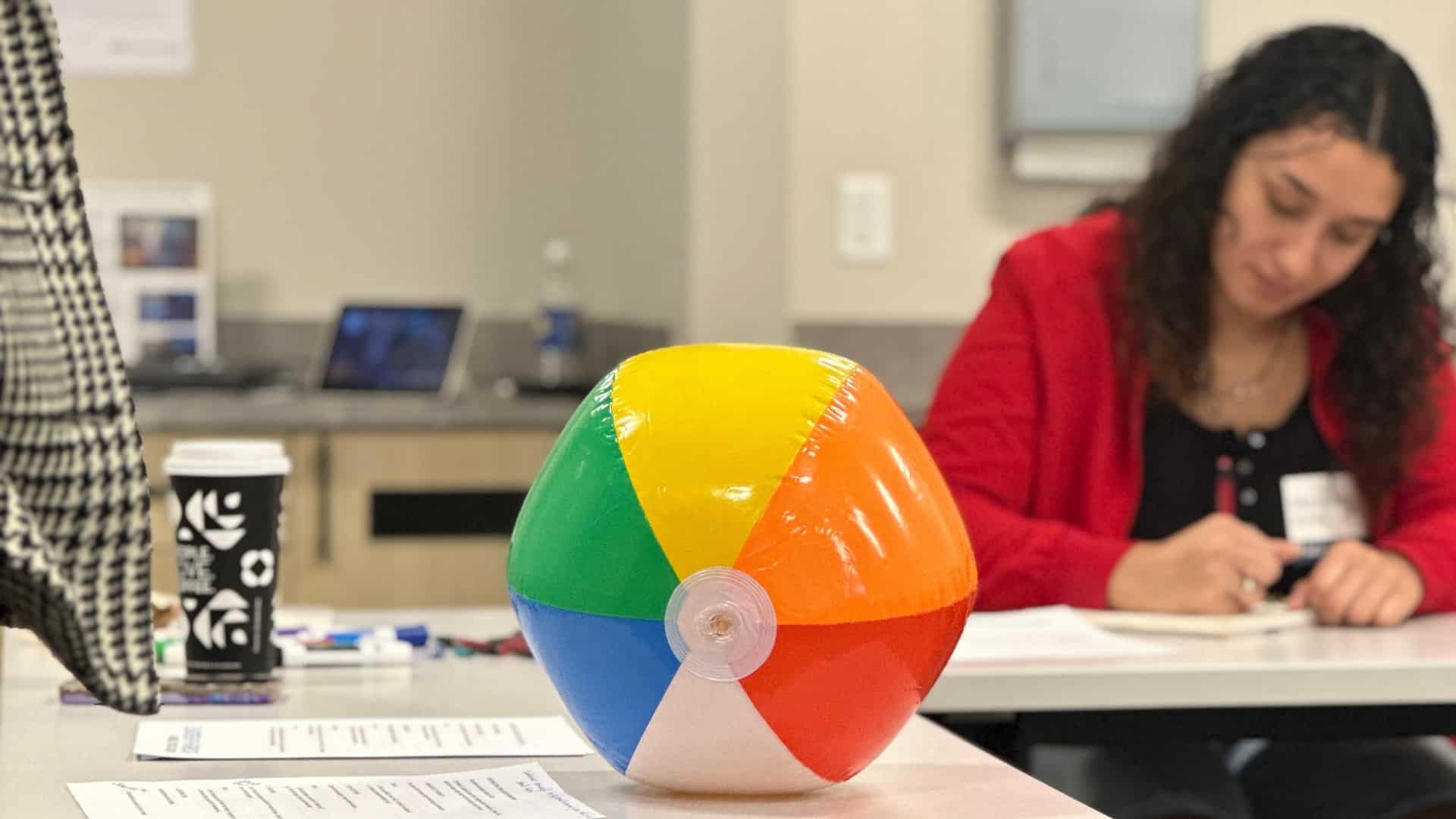
Using a multicolored beach ball, Kris demonstrated how people sitting at different angles viewed the object with different perspectives. The point landed quickly – working through a difficult conversation boils down to a shift in perspective. Complicated conversations don’t require avoidance, fixing or canceling. They require curiosity.
The group discussed practical tools for gaining perspective:
- Ask “Tell me more” instead of “Why?” to avoid immediately triggering defensiveness
- Put yourself in the other person’s shoes without assuming you know how they feel
- Get curious before getting reactive
Know Who You’re Talking To
Kris introduced the DISC framework (Dominance, Influence, Steadiness, Conscientiousness) as a practical lens for navigating personality differences. For example, a dominant, results-driven person doesn’t want to start from scratch; give them two solutions and let them choose. A high-empathy person needs to know the “why” before they can move forward.
Adjusting your approach based on someone’s personality doesn’t mean being inauthentic; it means being more effective in getting your message across. Multi-generational workplaces bring genuinely different communication styles shaped by different life experiences. Curiosity and understanding different perspectives go a long way toward bridging those gaps.
You’re Not Powerless: The Circle of Control
A popular moment during the roundtable was the “circle of control” concept. For those unfamiliar with it, the idea is that the only thing inside your “circle” is you. You can’t control how someone responds. You can control what you say, how you say it and whether you choose to own emotions that aren’t yours to carry.
Letting go of what’s outside that circle doesn’t just reduce stress, it also frees up the energy you need to have the conversation. Kris was direct: stop “should-ing” on yourself and others. Dropping the expectations of how things should go makes space for how they actually can go.
Small Shifts Make a Big Difference
Several attendees noted the same pattern: they spend hours mentally scripting a difficult conversation, building elaborate contingency plans and dreading the outcome…only to have the actual exchange take about five minutes. That mental load is real, and it’s often more exhausting than the conversation itself.
Kris encouraged shifting from script to curiosity. Most difficult conversations, when stripped of their false narratives, are generated from minor miscommunications. And sometimes the other person doesn’t even know there’s an issue. A small change in mindset – approaching the conversation as something to be curious about rather than an event to survive – can change the entire outcome.
Leadership Is Communication
Kris wrapped up the roundtable with a reminder: Leadership isn’t a title, it’s influence. And the most effective path to expanding your influence is learning to communicate clearly with anyone, about anything, without letting the emotion of the moment derail you. Leadership is not a personality trait. It’s a skill that can be practiced and strengthened over time.
Her parting challenge to those in the room? Identify one conversation you’ve been putting off. Borrow her belief in you (if you need it). And go have that unscripted chat.
Connect with Us!
Sign up for our weekly newsletter to stay informed of upcoming roundtables and other events. We’d love to see you there!